Specialty Insulation Applications
Grain Bins, Tanks, Art (cave & boulders), Swimming Pools, Roofs, Ductwork Insulation, Under Slab Insulation
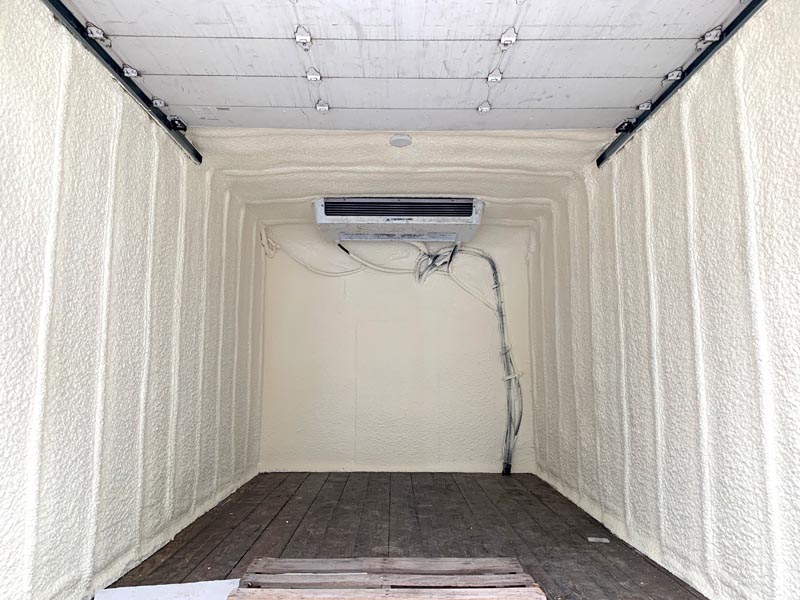
At Sealtite Insulation & Slabjacking, our expertise with spray foam insulation extends far beyond standard applications. Spray foam’s versatility allows us to take on a wide range of specialty projects — from insulating grain bins and tanks to shaping artistic rock features and waterproofing pools.
Our team brings the same level of attention to detail, precision, and craftsmanship to every job, ensuring clean lines, smooth finishes, and long-lasting performance — no matter how unconventional the project.
Common Specialty Applications
Grain Bins
Spray foam is ideal for insulating grain bins to reduce heat transfer, condensation and water intrusion. Proper insulation helps stabilize interior temperatures, prevent spoilage, and protect valuable grain from moisture damage — all while improving energy efficiency for aeration systems.
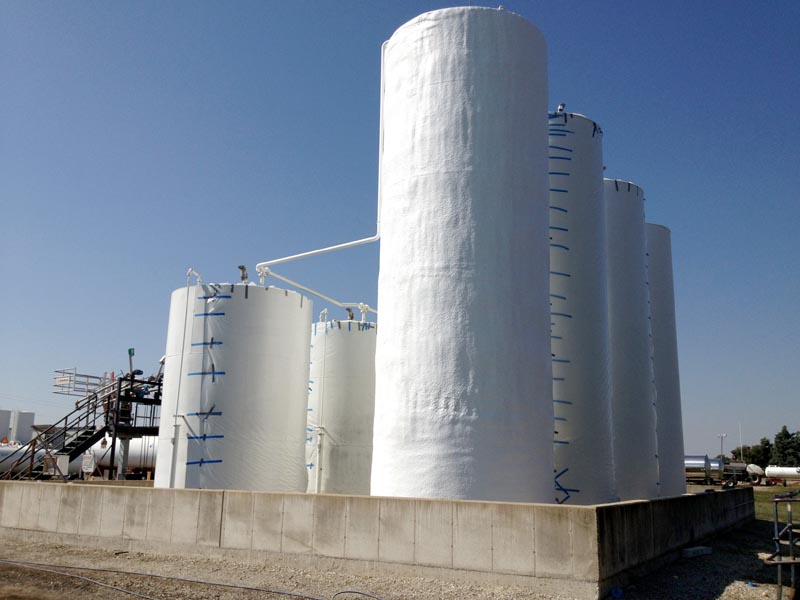
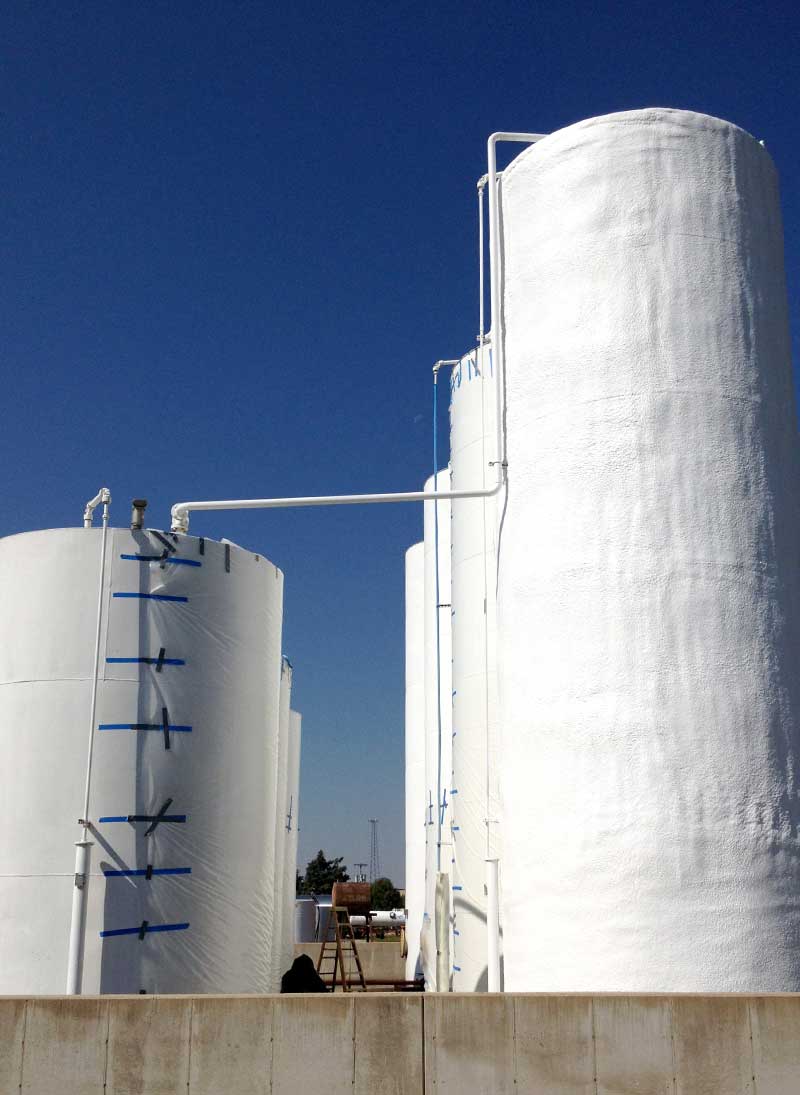
Tanks & Containment Systems
Closed cell spray foam creates a strong, moisture-resistant barrier for liquid storage tanks, containment systems, and silos. It helps maintain consistent temperatures, prevents corrosion, and extends the lifespan of your equipment.
Art (cave & boulders)/Artistic Applications
Our team has the skill and creativity to apply spray foam for artistic and structural builds, such as artificial caves, rocks, or boulders used in landscaping, zoo exhibits, and themed environments. The foam can be sculpted, textured, and painted to achieve natural, realistic finishes that are lightweight yet durable.
Swimming Pools
Spray foam insulation supports swimming pool shells and water features by providing a seamless, waterproof layer that helps prevent heat loss and moisture penetration. It’s ideal for both new installations and renovation projects to improve efficiency and longevity.
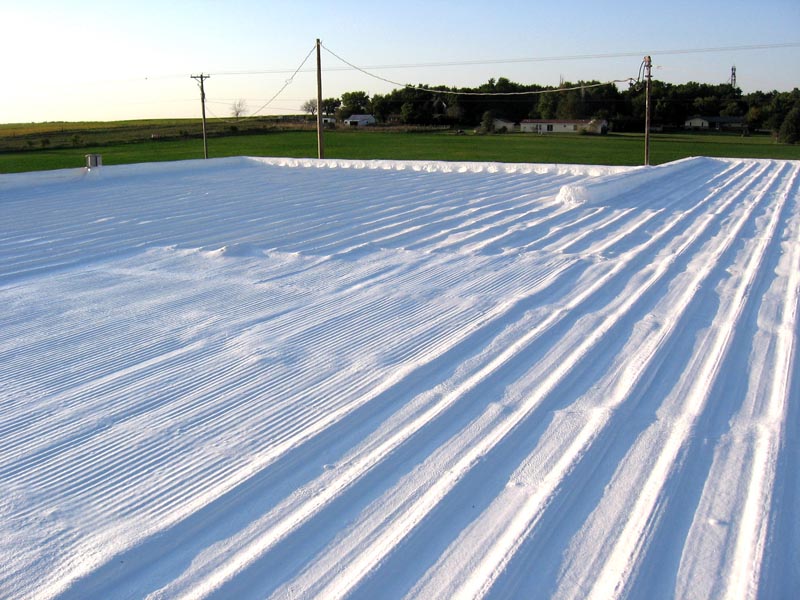
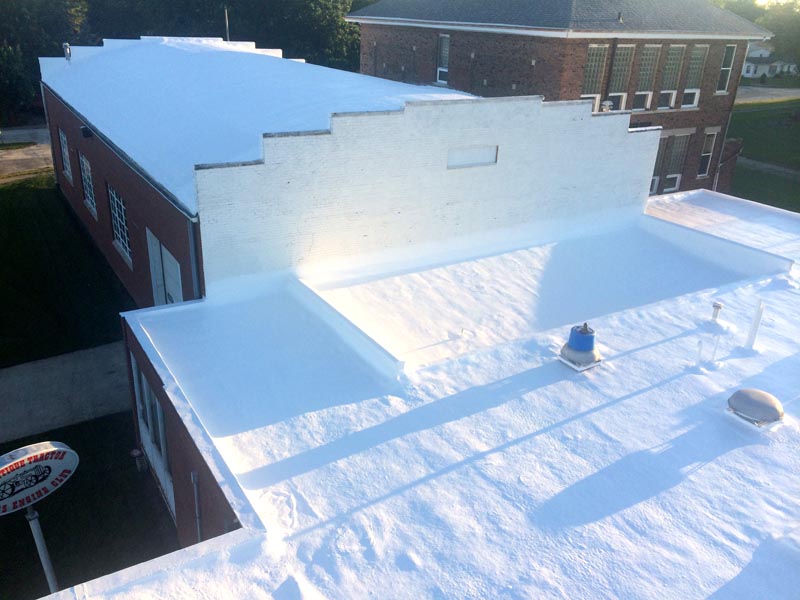
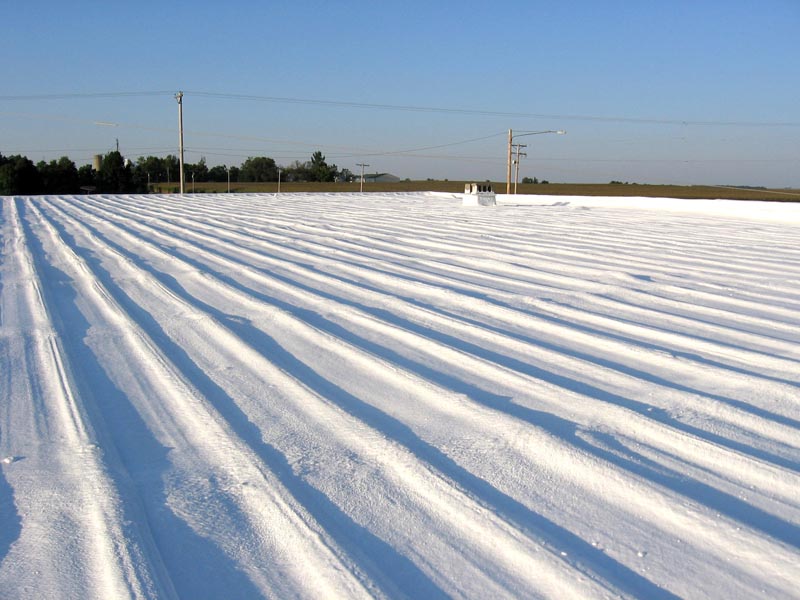
Roofs & Roof Decks
Spray foam roofing systems create an airtight, monolithic seal that insulates and waterproofs commercial and residential roof decks. Closed cell foam provides exceptional durability and helps reduce cooling costs while extending the life of roofing materials.
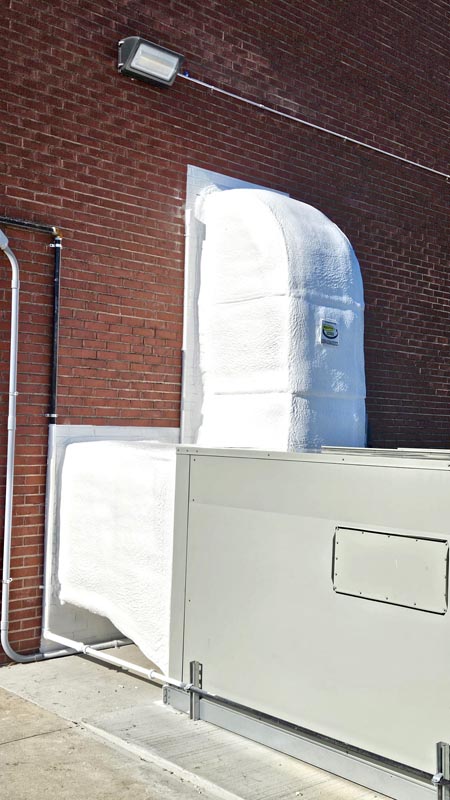
Ductwork Insulation
Insulating HVAC ductwork with spray foam helps eliminate energy loss, reduce condensation, and improve indoor air quality. Sealtite’s smooth, even application ensures consistent coverage for maximum system efficiency and long-term protection.
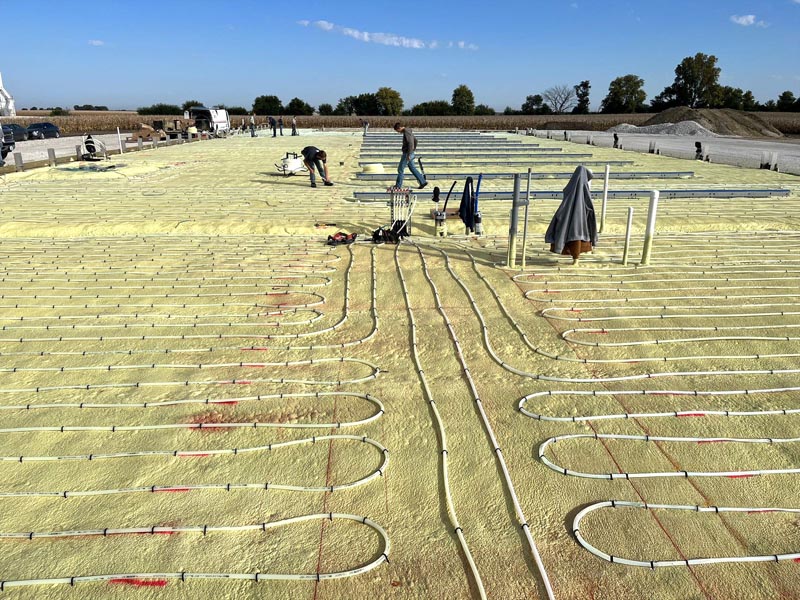
Under Slab Insulation
Under slab spray foam insulation acts as a vapor barrier and thermal break beneath concrete floors. It improves energy performance, prevents moisture intrusion, and creates a stable base that resists frost heave — making it a smart choice for basements, garages, and radiant floor systems.
Why Choose Us?
The Sealtite Difference
Why Choose Sealtite for Specialty Applications?
Benefits
Grain Bins
Maintain grain quality. Insulation helps regulate the internal temperature, preventing hot spots that cause spoilage or insect activity. It also reduces the risk of grain going out of condition during long-term storage.
Ductwork Insulation
Energy Efficiency. Uninsulated ducts can lose (or gain) a significant amount of heat as air travels through them, especially in unconditioned spaces.
Under Slab Insulation
Structural benefits. Helps reduce frost heave in cold climates by keeping the ground temperature beneath the slab more stable. This can protect the foundation from movement caused by freezing and thawing cycles.