
Transform Your Basement with Spray Foam Insulation
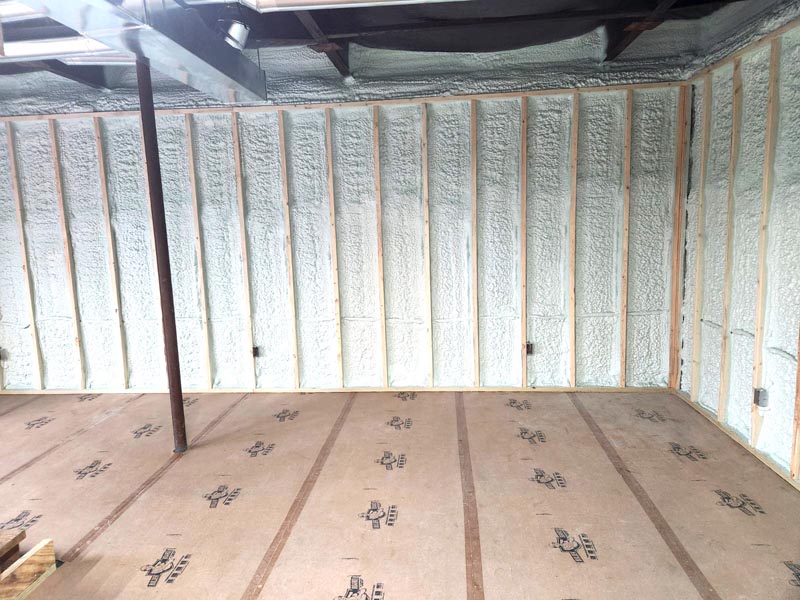
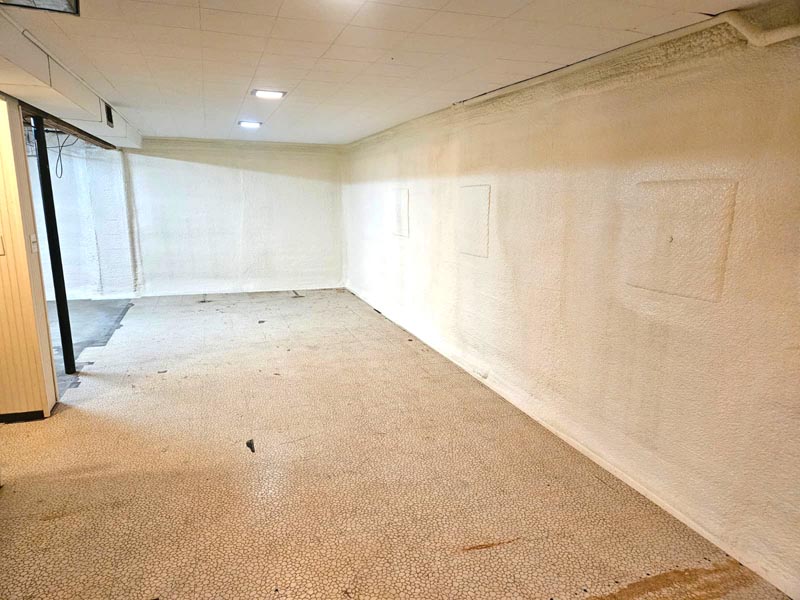
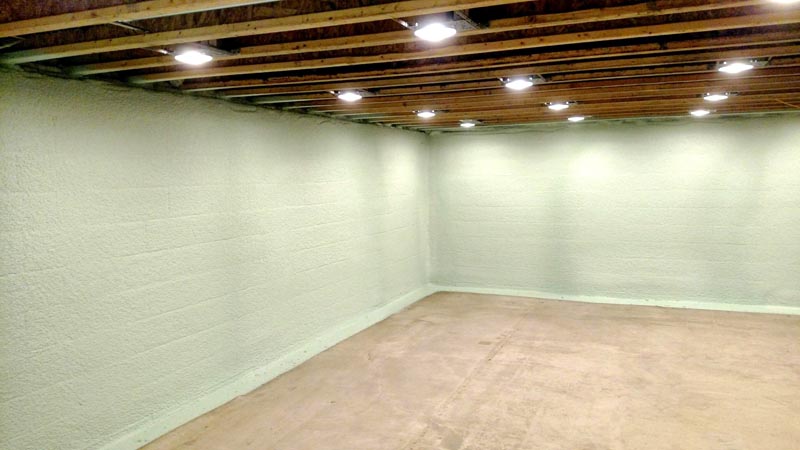
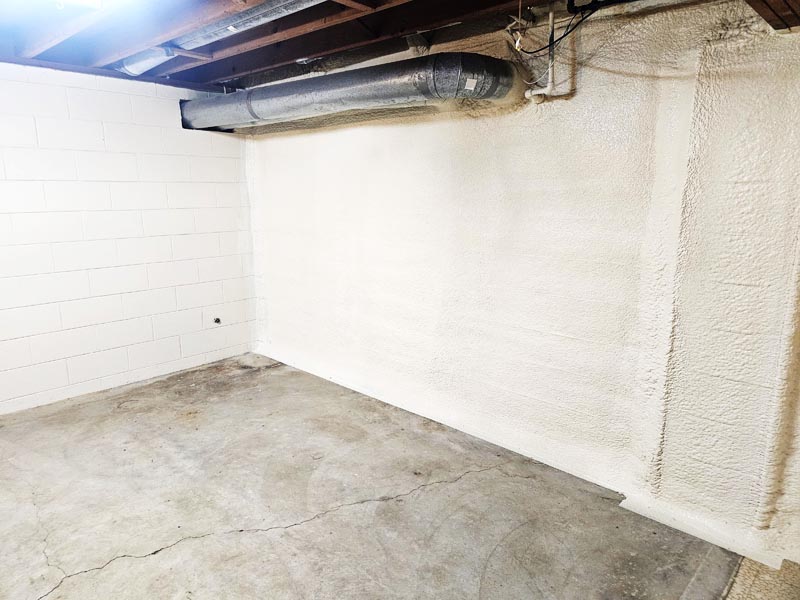
Spray foam is ideal for basements because it expands to fill gaps and cracks, forming a continuous air and moisture barrier that prevents drafts, condensation, and mold growth—problems that are common in below-grade spaces.
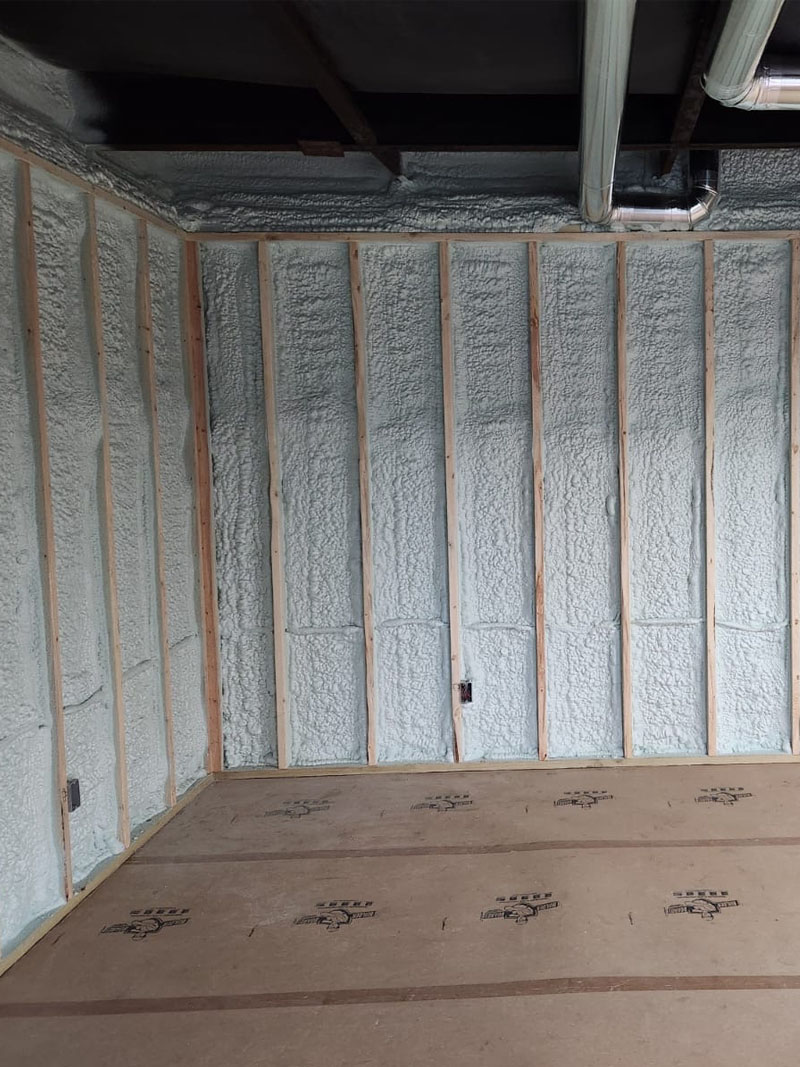
Areas of the Basement We Insulate
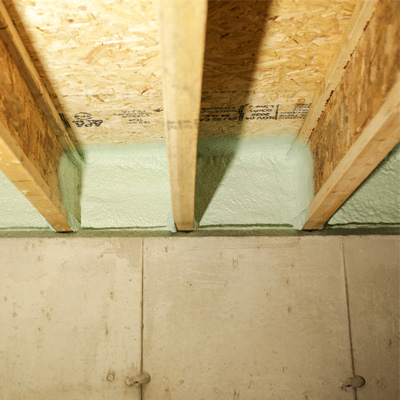
Rim Joists
The rim joist (or band joist) is a common source of air leaks and energy loss. Spray foam seals these areas completely, stopping cold drafts and reducing energy waste.
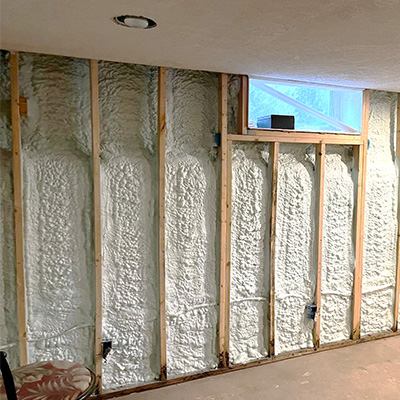
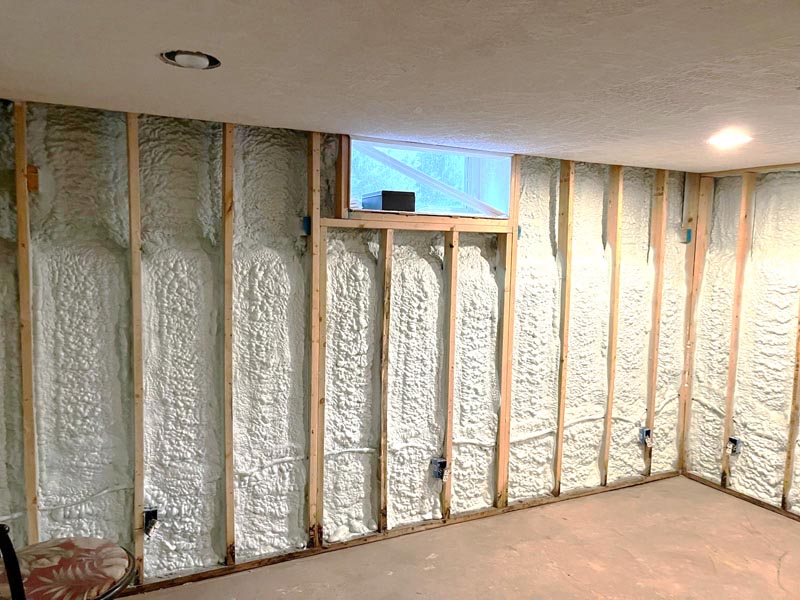
Basement Walls
Insulating basement walls with spray foam creates a thermal and moisture barrier that helps regulate temperature, prevents condensation, and keeps your basement dry.
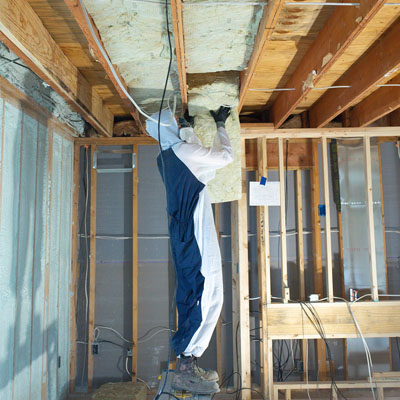
Ceilings and Floor Joists
Sound insulation applied to the basement ceiling or between floor joists helps reduce sound transfer to the living space above.
Benefits
Improved comfort
Moisture & Mold control
Structural protection
Basement Insulation keeps pipes from freezing and stabilizes humidity levels.
Sound Reduction
Damps noise between floors and from mechanical systems.
Noise reduction
Helps block sound in other areas of the basement.
Expanded living space
Even if your basement is unfinished, adding insulation makes the space much more inviting and usable.
Increased home value
A well-insulated and finished basement can increase the market value of your home.
Energy Efficiency
Better Air Quality
Stops drafts, allergens, mold spores and outdoor pollutants from entering your home.
Frequently Asked Questions
What areas of the basement should be insulated?
Is it worth insulating an already partially finished basement?
Yes, especially around rim joists and exterior walls. Even a partially finished basement can benefit from improved insulation and air sealing.
Why is spray foam better than fiberglass in basements?
Should I insulate both the basement walls and rim joists?
Can spray foam be applied directly to concrete walls?
Does insulating my basement help the rest of the home?
Is spray foam safe for finished basements?
Why Choose Us?
The Sealtite Difference
LIFETIME warranty on spray foam products.
We use premium polyurethane products manufactured in the USA and offer a variety of products because every project and budget is unique.
Over 20 years of experience and customer satisfaction; trained crews.
Our high employee retention gives you installation crews with decades of experience.
Integrity. Don’t take our word for it, check out our customer reviews.