
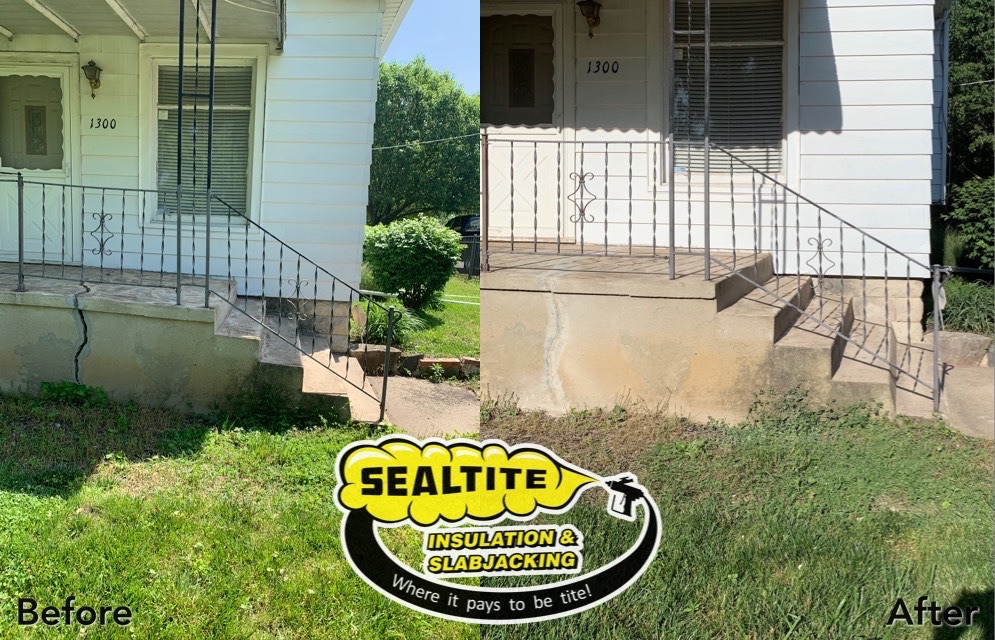
Winter weather doesn’t just impact your driveway and sidewalks — it can also alter your home’s foundation and concrete slabs. In Central Illinois and other Midwest regions, the freeze-thaw cycle combined with snow melt creates favorable conditions for soil movement and concrete settlement.
If you’ve noticed cracks, uneven concrete, or water intrusion after winter, snow melt may be a factor.
Let’s take a closer look at why.
What Happens When Snow Melts?
When snow forms around your home, it may seem like no big deal. But as temperatures rise and snow begins to melt, large amounts of water are released into the soil around your foundation and beneath concrete slabs.
This sudden moisture change can cause:
-
Soil expansion
-
Soil erosion
-
Increased hydrostatic pressure
-
Saturation beneath slabs
-
Drainage overload
The problem isn’t just the snow — it’s the sudden shift from frozen ground to saturated soil.
The Freeze-Thaw Cycle: A Hidden Stressor
In Illinois, temperatures often change above and below freezing throughout winter and early spring. This creates repeated freeze-thaw cycles.
Here’s how that affects your property:
- Water from melted snow seeps into the soil.
- Temperatures drop and the water freezes.
- Frozen water expands, pushing soil upward.
- When temperatures rise again, the soil contracts.
Over time, this constant expansion and contraction weakens soil stability. Voids can form beneath slabs and foundations, leading to uneven support.
How Snow Melt Impacts Your Foundation
1. Increased Hydrostatic Pressure
When the soil becomes overly wet, pressure builds against foundation walls. This can lead to:
- Wall cracks
- Bowing walls
- Basement leaks
- Water seepage
2. Soil Erosion Beneath Footings
Melting snow can wash away supporting soil, especially if drainage is poor. As soil erodes, portions of the foundation may settle unevenly.
3. Expansion of Clay Soil
In areas with clay-heavy soil, snow melt increases soil swelling. As clay retains moisture, it expands and puts pressure on foundation walls.
How Snow Melt Affects Concrete Slabs
Driveways, sidewalks, patios, and garage floors are also vulnerable.
When snow melt seeps beneath slabs:
-
Soil may wash out, creating empty voids.
-
Slabs lose support and begin to sink.
-
Cracks widen due to freeze-thaw stress.
-
Uneven sections create trip hazards.
Even small amounts of erosion over multiple seasons can lead to noticeable settlement.
Warning Signs to Watch For After Winter
After snow season ends, look for:
-
New cracks in basement walls
-
Gaps between slabs
-
Uneven sidewalks or driveways
-
Water pooling near the foundation
-
Doors or windows sticking
-
Interior floor cracks
Catching these problems early can prevent larger structural problems later.
Prevention Tips
While you can’t control the weather, you can limit the risk by:
-
Extending downspouts away from the foundation
-
Ensuring proper grading around your home
-
Keeping gutters clear
-
Addressing drainage issues promptly
-
Repairing small cracks before they grow
But when settlement has already occurred, professional repair may be necessary.
Restore Stability with Sealtite Insulation & Slabjacking
If winter has left your foundation or concrete slabs uneven or sinking, don’t wait for the problem to worsen.
At Sealtite Insulation & Slabjacking, we specialize in diagnosing and correcting concrete settlement and soil-related issues caused by Midwest weather conditions. Our polyurethane foam lifting solutions stabilize and restore slabs quickly and effectively.
📞 Call Sealtite Insulation & Slabjacking today at (855) 692-3626 to schedule your free estimate.
Let us help protect your home from seasonal damage — and restore peace of mind year-round.