
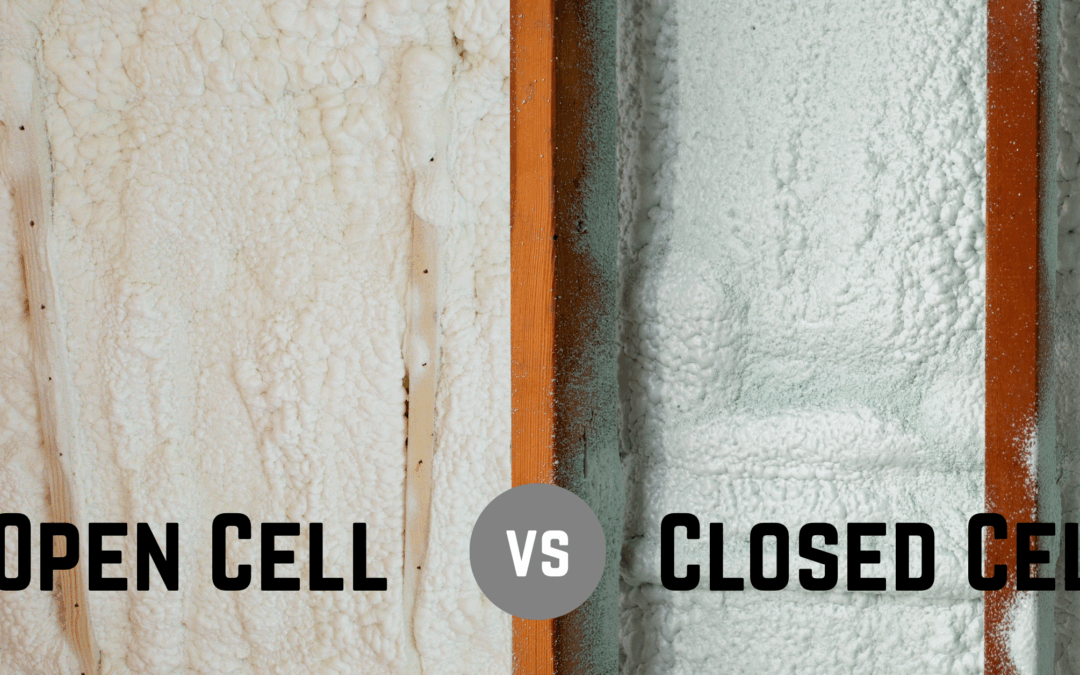
When it comes to insulating your home, choosing the right material is crucial for comfort, energy efficiency, and long-term durability. Spray foam insulation has become a popular choice due to its superior air-sealing properties and high R-value. Among spray foam options, open cell and closed cell foam each offer distinct advantages. Understanding these differences can help you select the best solution for your specific needs.
What Is Open Cell Foam Insulation?
Open cell foam is a lightweight, flexible insulation material that expands up to 120 times its original volume when applied. This expansion allows it to fill gaps and cavities, providing excellent air sealing. It’s particularly effective in areas like attics and interior walls.
Key Benefits:
-
Superior Air Sealing: Fills gaps and cracks, reducing air infiltration and enhancing energy efficiency.
-
High R-Value: Offers an R-value of approximately 3.5 to 4 per inch, providing effective thermal resistance.
-
Sound Absorption: Acts as an excellent sound barrier, making it ideal for bedrooms, home theaters, and shared walls.
-
Moisture Control: Helps reduce moisture and mold growth by sealing areas susceptible to water intrusion.
What Is Closed Cell Foam Insulation?
Closed cell foam is a denser, rigid insulation material that expands up to 33 times its original volume. Its closed-cell structure makes it impermeable to water, providing a vapor barrier and adding structural strength to your home.
Key Benefits:
-
High R-Value: Provides a higher R-value per inch, typically ranging from 6 to 7, offering superior thermal resistance.
-
Moisture Resistance: Acts as a vapor barrier, preventing water infiltration and reducing the risk of mold and mildew.
-
Structural Strength: Enhances the structural integrity of walls and roofs, making them more resistant to wind and impact damage.
-
Energy Efficiency: Seals gaps and cracks effectively, leading to lower energy costs by reducing the workload on HVAC systems.
Comparing Open Cell and Closed Cell Foam
| Feature | Open Cell Foam | Closed Cell Foam |
|---|---|---|
| R-Value per Inch | 3.5–4 | 6–7 |
| Water Resistance | Low | High |
| Sound Absorption | Excellent | Moderate |
| Structural Strength | Moderate | High |
| Cost | More affordable | Higher |
| Ideal Applications | Interior walls, attics, ceilings | Exterior walls, basements, roofs |
Which Is Right for Your Home?
The choice between open cell and closed cell foam depends on your specific needs and budget:
-
Open Cell Foam: Ideal for interior applications where sound absorption and cost-effectiveness are priorities.
-
Closed Cell Foam: Best suited for areas requiring high moisture resistance and structural reinforcement, such as basements and exterior walls.
At Sealtite Insulation & Slabjacking, we offer both open cell and closed cell spray foam insulation options tailored to your home’s requirements. Our team of experts can assess your property and recommend the most suitable insulation solution to enhance comfort, energy efficiency, and indoor air quality.
Contact Us Today
Ready to improve your home’s insulation? Contact Sealtite Insulation & Slabjacking at 855-692-3626 or visit www.sealtiteinsulation.com to schedule your free consultation. Let us help you choose the right spray foam insulation to meet your needs.