
Illinois homeowners know how extreme Midwest weather can be. From freezing winters to hot, humid summers, proper insulation is essential for keeping your home comfortable and energy efficient year-round. Two common insulation options homeowners often compare are spray foam insulation and cellulose insulation.
Both can improve comfort and lower energy bills, but they serve different purposes. Understanding the differences can help you make the right decision for your home.
What Is Spray Foam Insulation?
Spray foam insulation is applied as a liquid that expands and hardens, sealing gaps and cracks as it insulates. It’s especially effective in areas where air leakage is common. At Sealtite, we offer both open-cell and closed-cell spray foam, allowing us to tailor the solution to your home’s specific needs.
Benefits of Spray Foam Insulation:
-
Superior air sealing to reduce drafts and heat loss
-
High R-value per inch, ideal for cold Illinois winters
-
Helps limit moisture infiltration and condensation
-
Long-lasting performance that doesn’t settle over time
-
Great for hard-to-reach or problem areas
Open-Cell vs. Closed-Cell Spray Foam:
-
Open-cell spray foam is lighter and expands more, making it a great option for interior areas where sound reduction and air sealing are priorities.
-
Closed-cell spray foam is denser and provides higher insulation value and added moisture resistance, making it ideal for crawl spaces, rim joists, and other areas exposed to moisture or temperature extremes.
Considerations:
-
Higher upfront cost compared to traditional insulation
-
Professionally installed
-
Best used in attics, crawl spaces, rim joists, and other critical air-leak areas
Spray foam is an excellent choice for homeowners focused on maximum efficiency, comfort, and long-term savings.
What Is Cellulose Insulation?
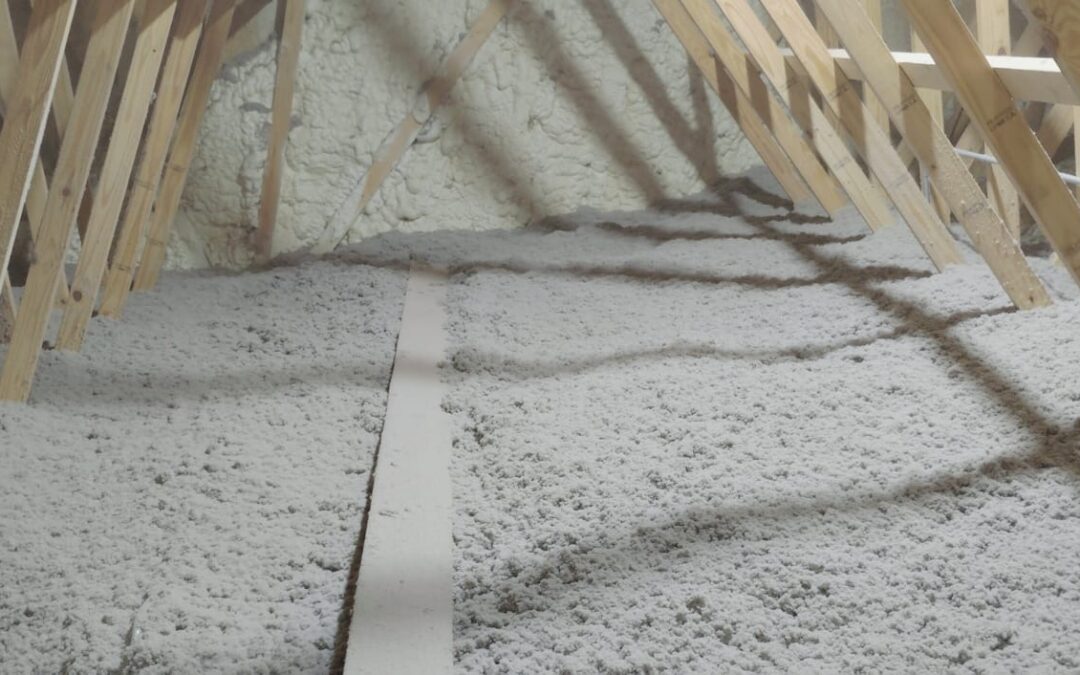
Cellulose insulation is made from recycled paper products and is commonly blown into attic spaces to increase insulation depth and coverage.
Benefits of Cellulose Insulation:
-
Budget-friendly option for improving insulation
-
Helps reduce heat loss in winter and heat gain in summer
-
Made from recycled materials
-
Works well for attic insulation upgrades in existing homes
Considerations:
-
Does not seal air leaks on its own
-
Can settle over time if not installed properly
-
Less effective against moisture compared to spray foam
Cellulose insulation is often a great solution for homeowners looking to boost attic insulation without major renovations.
Spray Foam vs. Cellulose: A Side-by-Side Comparison
| Feature | Spray Foam | Cellulose |
|---|---|---|
| Air Sealing | Excellent | Minimal |
| Energy Efficiency | Very High | Moderate to High |
| Moisture Resistance | Strong (especially closed-cell) | Limited |
| Cost | Higher upfront | More affordable |
| Best Applications | Attics, crawl spaces, rim joists | Attics |
| Longevity | Long-lasting | May settle over time |
Which Insulation Is Best for Illinois Homes?
Because Illinois experiences wide temperature swings, many homes benefit from a combined approach:
-
Open-cell or closed-cell spray foam in key areas to stop air leaks and drafts
-
Cellulose insulation in attics to increase insulation levels and reduce energy loss
The best solution depends on your home’s construction, existing insulation, and comfort issues. A professional evaluation can identify where energy loss is occurring and which upgrades will provide the best return.
Improve Comfort and Efficiency This Season
Choosing the right insulation can make your home warmer in winter, cooler in summer, and more energy efficient all year long. With the right solution, you can reduce drafts, lower utility bills, and improve overall comfort—without unnecessary renovations.
Ready to upgrade your insulation?
Our team will evaluate your attic and crawl space and recommend the best insulation solution for your Illinois home. Contact Sealtite Insulation & Slabjacking today for a free estimate (855) 692-3626.