
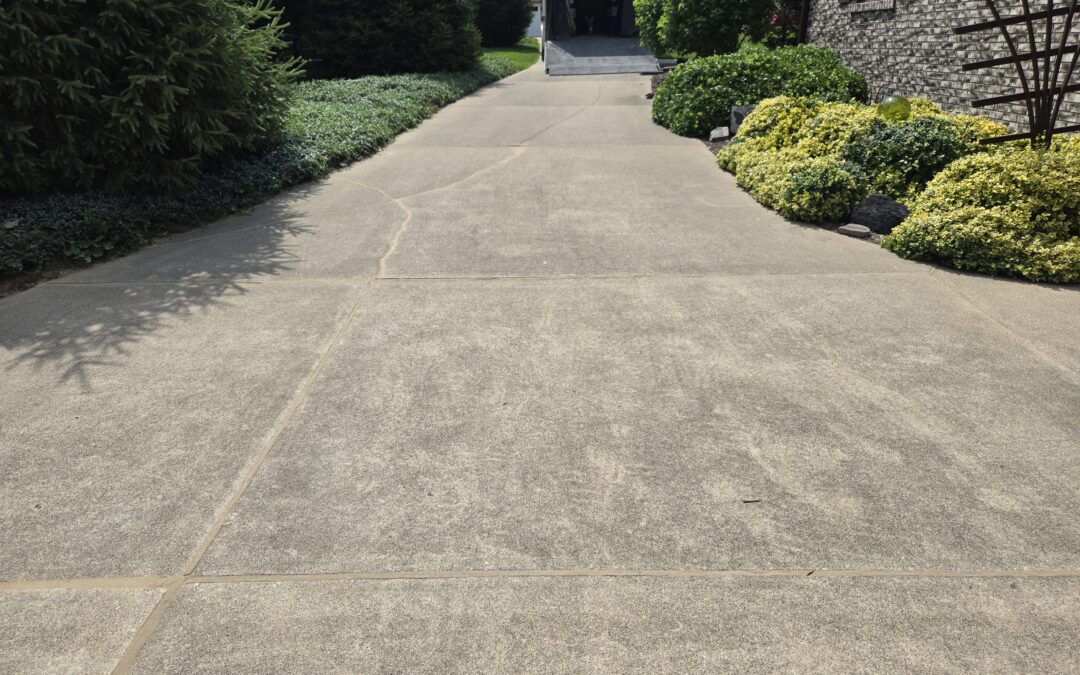
A small crack in your driveway may not seem like a serious concern, but it can grow and lead to more extensive damage over time. If you have noticed cracks, uneven sections, or signs of sinking, contact Sealtite Insulation & Slabjacking today to schedule a free estimate. Our team can assess your driveway and recommend the right solution to help protect your concrete.
Why Do Driveway Cracks Form?
Concrete is durable, but it is not indestructible. Driveways are frequently exposed to changing weather, heavy vehicles, moisture, and movement in the soil beneath the concrete.
Common causes of driveway cracks include:
- Soil settling beneath the concrete
- Water washing away the supporting soil
- Freeze-and-thaw cycles
- Poor drainage around the driveway
- Heavy vehicles or excessive weight
- Natural expansion and contraction
- Voids forming beneath the concrete
Understanding what caused the crack is important because sealing the surface may not be enough if the slab is also sinking or unstable.
Why Should Driveway Cracks Be Sealed?
An open crack provides a pathway for rainwater, melting snow, dirt, and debris to enter. Once water moves beneath the driveway, it can weaken or wash away the soil supporting the concrete.
Sealing driveway cracks early can help:
- Limit water from entering beneath the slab
- Reduce further deterioration along the crack
- Protect the edges from breaking apart
- Improve the driveway’s appearance
- Extend the useful life of the concrete
- Make routine driveway maintenance easier
Waiting too long may allow a narrow crack to widen, collect debris, or contribute to additional damage.
When Sealing the Crack Is Not Enough
Crack sealing works best when the concrete is still properly supported and the sections remain level. If one side of the crack has dropped lower than the other, the underlying soil may have settled or washed away.
Other signs of an underlying support problem include:
- Uneven driveway sections
- A sunken area near the garage
- Water pooling on the driveway
- Hollow spaces beneath the concrete
- Cracks that repeatedly reopen
- A noticeable drop between slabs
In these situations, the concrete may need to be lifted and stabilized before the crack is sealed.
How Slabjacking Can Help
Sealtite uses polyurethane foam injection to lift and stabilize eligible concrete slabs. During the process, small holes are drilled into the concrete, and expanding polyurethane foam is injected beneath the surface.
The foam fills empty spaces, stabilizes the supporting soil, and lifts the slab toward its proper position. Once the concrete is level and supported, the cracks can be addressed more effectively.
Slabjacking may be a practical option for driveways, sidewalks, patios, garage approaches, and other concrete surfaces that have settled but remain in suitable condition for lifting.
Protect Your Driveway Before the Damage Spreads
Sealing driveway cracks is an important part of concrete maintenance, but the source of the cracking should not be overlooked. Early attention can help limit water intrusion, reduce additional deterioration, and protect the concrete from becoming a larger repair project.
If your driveway is cracked, uneven, or sinking, contact Sealtite Insulation & Slabjacking today. Schedule your free estimate and let our experienced team determine whether crack sealing, concrete lifting, or another repair solution is right for your driveway.